Why Pickleball Is the Perfect Exercise for Older Adults

Why Pickleball Is the Perfect Exercise for Older Adults

Finding an exercise you actually enjoy can be challenging at any age. As we get older, it becomes even more important to choose activities that keep us fit without putting unnecessary strain on our bodies. That's exactly why pickleball has become one of the fastest-growing sports among older adults around the world.

It's easy to learn, incredibly social, and provides an excellent workout without feeling like you're exercising. Whether you're looking to improve your fitness, meet new people, or simply have fun, pickleball ticks all the boxes.

Why Pickleball Is the Perfect Exercise for Older Adults

It's Easy on the Body

One of the biggest reasons people fall in love with pickleball is that it's much gentler on the body than many traditional sports.

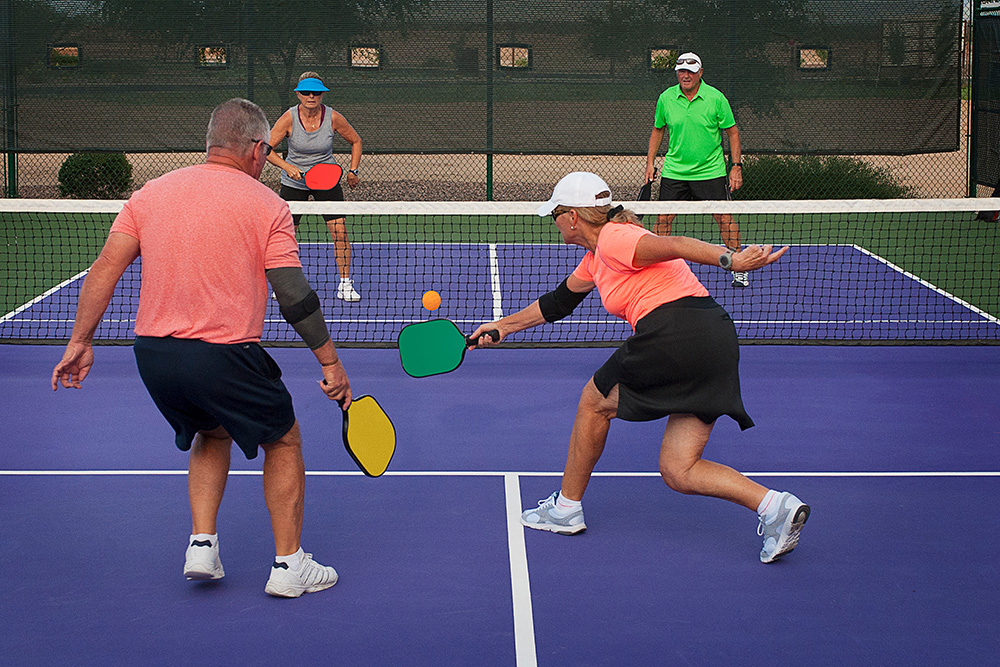
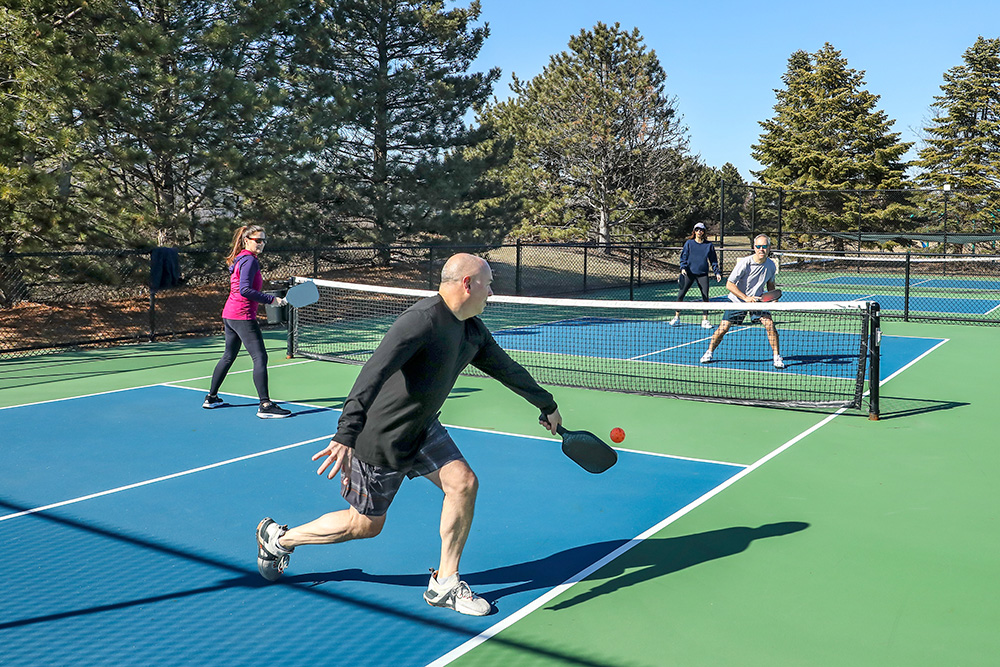
Because the court is smaller than a tennis court, there's less running and fewer high-impact movements. You still get your heart pumping, but without constantly sprinting from one side of the court to the other.

That makes pickleball an ideal choice for older adults who want to stay active while being mindful of their knees, hips, and joints.

You Get a Great Workout Without Realising It

The best kind of exercise is the kind you forget you're doing.

A game of pickleball keeps you moving with short bursts of activity that improve your cardiovascular fitness, increase stamina, and help maintain a healthy heart. Before you know it, you've spent an hour exercising while laughing with friends and enjoying some friendly competition.

Instead of watching the clock during a workout, you're focused on the next rally.

It Helps Improve Balance and Coordination

As we age, maintaining good balance becomes increasingly important.

Pickleball naturally encourages you to move in different directions, react quickly, and stay light on your feet. Those movements help improve balance, coordination, and agility, which can make everyday activities feel easier and reduce the risk of falls.

The improvements often happen gradually, but many regular players notice they feel steadier and more confident both on and off the court.
Why Pickleball Is the Perfect Exercise for Older Adults

It Builds Strength in a Natural Way

You don't need a gym full of heavy weights to maintain muscle strength.

Every pickleball match involves walking, reaching, bending, twisting, and swinging the pickleball paddle. These simple, natural movements help strengthen your legs, core, shoulders, and arms while improving flexibility at the same time.

Maintaining strength becomes increasingly important as we get older because it helps us stay independent and makes everyday tasks much easier.

It's Just as Good for Your Mind

The benefits of pickleball go well beyond physical fitness.

Every point requires quick thinking, decision making, and a little strategy. You're constantly judging where the ball is going, choosing your next shot, and reacting to your opponents.

Keeping your brain engaged while exercising is a fantastic combination, and many players say they leave the court feeling mentally refreshed as well as physically energised.

The Social Side Is Just as Important

Ask regular pickleball players why they keep coming back, and many won't start by talking about the exercise.

They'll talk about the people.

Pickleball has built a reputation for being one of the friendliest sports around. Local clubs are welcoming, games are often played in doubles, and it's easy for beginners to join in regardless of their experience.

For many older adults, those regular games become an opportunity to catch up with friends, meet new people, and enjoy a strong sense of community. Staying socially connected is just as important for healthy ageing as staying physically active.

Anyone Can Learn

You don't need to have played tennis or any other racquet sport before.

The rules are straightforward, the paddle is lightweight, and most people are surprised by how quickly they can start enjoying a proper game. It's a sport that rewards skill and placement just as much as power, making it accessible for players of all fitness levels.

Many families even play together, giving grandparents, parents, and children a chance to enjoy the same activity.

A Hobby You'll Actually Stick With

One of the biggest challenges with exercise is staying motivated.

Walking on a treadmill or repeating the same gym routine can become monotonous, but pickleball feels different. Every game is unique, every rally is exciting, and there's always something new to learn.

Because it's genuinely enjoyable, people are far more likely to keep playing week after week, which is exactly what creates long-term health benefits.

Final Thoughts

Growing older doesn't mean giving up the activities you enjoy. In many ways, it's the perfect time to discover new ones.

Pickleball offers an ideal combination of fitness, fun, and friendship. It helps improve cardiovascular health, balance, strength, coordination, and mental sharpness, all while bringing people together in a welcoming and supportive environment.

If you're looking for an enjoyable way to stay active, improve your wellbeing, and make new friends, it's easy to see why so many older adults have discovered a passion for pickleball. Grab a paddle, head to your nearest court, and you may just find your new favourite pastime.

4 Serving Tips For Volleyball Players To Add More Power

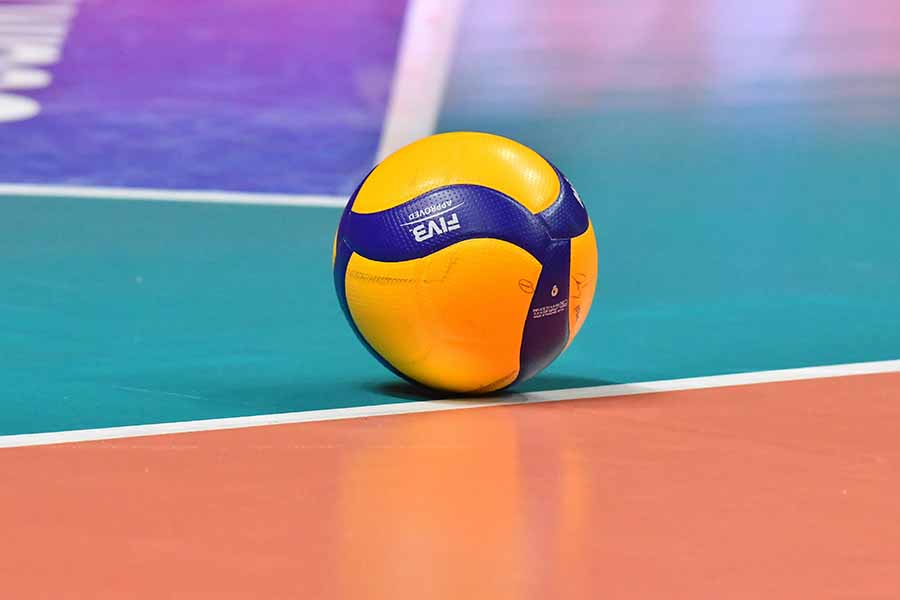
Volleyball is a dynamic and exhilarating sport that demands a blend of skill, strategy, and athleticism. Among the various facets of the game, serving is an essential skill that can greatly impact the outcome of a match. A powerful serve can put pressure on the opposing team and create scoring opportunities for your own. In this blog, we'll explore four serving tips that can help volleyball players add more power to their serves and elevate their game.

1. Focus on Technique

Powerful serving begins with mastering the fundamental techniques. Ensure you have a consistent and well-practiced approach to your serve. Start with a strong stance, positioning your feet shoulder-width apart. Your non-dominant foot should be slightly forward, and your weight distributed evenly on both feet.

As you toss the ball into the air, use your legs and core muscles to generate power. The arm swing should come from your shoulder and wrist, creating a whip-like motion that transfers energy to the ball. Regular practice of correct technique will lead to improved power and accuracy over time.

2. Utilize the Toss

The toss is a critical component of a powerful serve. A well-placed and consistent toss allows you to make solid contact with the ball at the optimal point. Aim for a toss that is slightly in front of your hitting shoulder and at a comfortable height. This allows you to effectively engage your body's momentum and generate power through your swing. Practice tossing the ball consistently to the same spot to build muscle memory and improve your timing.

3. Engage Core Muscles

Powerful serving involves more than just arm strength, it's a full-body effort. Engaging your core muscles is key to transferring energy efficiently from your legs and hips to your arms and, ultimately, the ball.

A strong core helps stabilize your body during the serve, allowing you to channel maximum force into the ball. Incorporate core-strengthening exercises into your training routine, such as planks, Russian twists, and leg raises, to enhance your serving power.

4 Serving Tips For Volleyball Players To Add More Power

4. Develop Flexibility and Range of Motion

Flexibility plays a vital role in generating power and maximizing your serving potential. A lack of flexibility can lead to restricted movement during your serve, hindering your ability to generate optimal force. Incorporate dynamic stretching routines and yoga sessions to improve your flexibility, especially in your shoulders, hips, and thoracic spine. Improved range of motion enables a more fluid and powerful arm swing, translating into a stronger serve.

Elevate Your Serving Game

Mastering the art of a powerful serve in volleyball requires dedication, practice, and a commitment to refining your technique. By focusing on the fundamentals, perfecting your toss, engaging your core muscles, and enhancing flexibility, you can add more power to your serves and become a more formidable force on the court. Regular practice, combined with these tips, will not only elevate your serving game but also contribute to your overall performance as a well-rounded volleyball player. So, step onto the court with confidence, implement these serving tips, and watch your serves become a force to be reckoned with.

Fuel Your Success: 10 Key Foods to Boost Athletic Performance

Achieving peak athletic performance requires a combination of dedication, training, and proper nutrition. Just like a well-oiled machine, your body performs at its best when fueled with the right nutrients. While there's no magic formula, certain foods can significantly enhance your athletic prowess. In this blog, we'll explore 10 key foods that can help you reach new heights in your athletic journey.

  • Oats

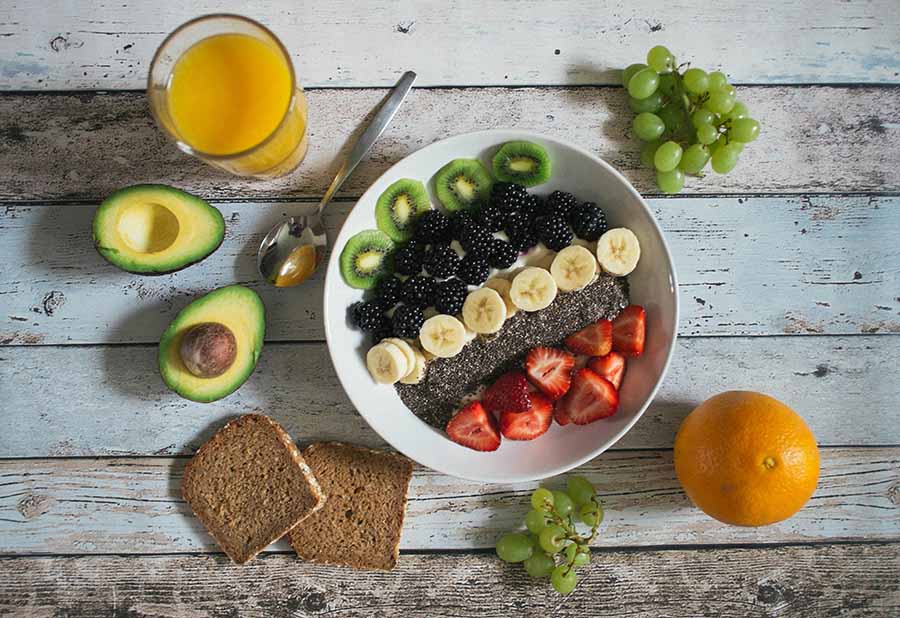
Start your day with a solid foundation by consuming complex carbohydrates found in oats. These carbs provide sustained energy, essential for endurance activities. Oats are also rich in fiber, which helps maintain stable blood sugar levels and supports digestion.

  • Bananas

Packed with easily digestible carbohydrates and natural sugars, bananas are a quick and effective source of energy. They're also high in potassium, which aids in preventing muscle cramps and maintaining electrolyte balance.

  • Salmon

This fatty fish is a fantastic source of protein and omega-3 fatty acids. Omega-3s have anti-inflammatory properties, which can help reduce exercise-induced inflammation and support joint health.


Protein, on the other hand, is crucial for muscle repair and growth.

  • Quinoa

Quinoa is a complete protein, meaning it contains all nine essential amino acids required by the body. It's also rich in complex carbohydrates and fiber, offering sustained energy while aiding in muscle recovery.

  • Leafy Greens

Vegetables like spinach, kale, and broccoli are packed with vitamins, minerals, and antioxidants. These nutrients are vital for overall health, and they contribute to maintaining strong bones and supporting the immune system, both crucial for athletes.

  • Berries

Blueberries, strawberries, and other berries are rich in antioxidants, which combat oxidative stress caused by intense physical activity.

Additionally, their natural sugars provide a quick energy boost without causing drastic blood sugar spikes.

  • Sweet Potatoes

Another excellent source of complex carbohydrates, sweet potatoes are loaded with vitamins and minerals like vitamin A and potassium. They provide sustained energy and aid in muscle and nerve function.

  • Greek Yogurt

High in protein and probiotics, Greek yogurt is an athlete's friend. Protein supports muscle recovery and growth, while probiotics contribute to gut health, which has been linked to improved overall wellness and potentially better performance.

  • Nuts and Seeds

Almonds, chia seeds, and walnuts are nutrient-dense options that provide healthy fats, protein, and fiber. They offer a convenient source of energy and can be easily incorporated into pre- or post-workout snacks.

  • Lean Poultry

Chicken and turkey are lean sources of protein, crucial for muscle repair and growth. They also contain important vitamins and minerals like B vitamins, which play a role in energy metabolism.

Conclusion: While training is undoubtedly a fundamental aspect of athletic success, proper nutrition cannot be overlooked. Incorporating these 10 key foods into your diet can provide your body with the fuel it needs to excel in your chosen sport. Remember, consistency is key – nourishing your body consistently with nutrient-rich foods will undoubtedly contribute to improved athletic performance and overall well-being. Always consult with a nutritionist or healthcare professional to tailor your diet to your specific needs and goals.

Unlocking Strength and Health: The Advantages of Body-Weight Exercises

In the ever-evolving world of fitness, trends come and go, but one approach that continues to stand the test of time is body-weight exercise. While high-tech gym equipment and specialised training methods have their merits, there's something inherently powerful about using your own body as resistance. Body-weight exercises have gained a loyal following for good reason, as they offer a multitude of advantages that contribute to overall health and fitness. In this blog, we'll delve into some of the key benefits of incorporating body-weight exercises into your fitness routine.

1. Accessibility and Convenience

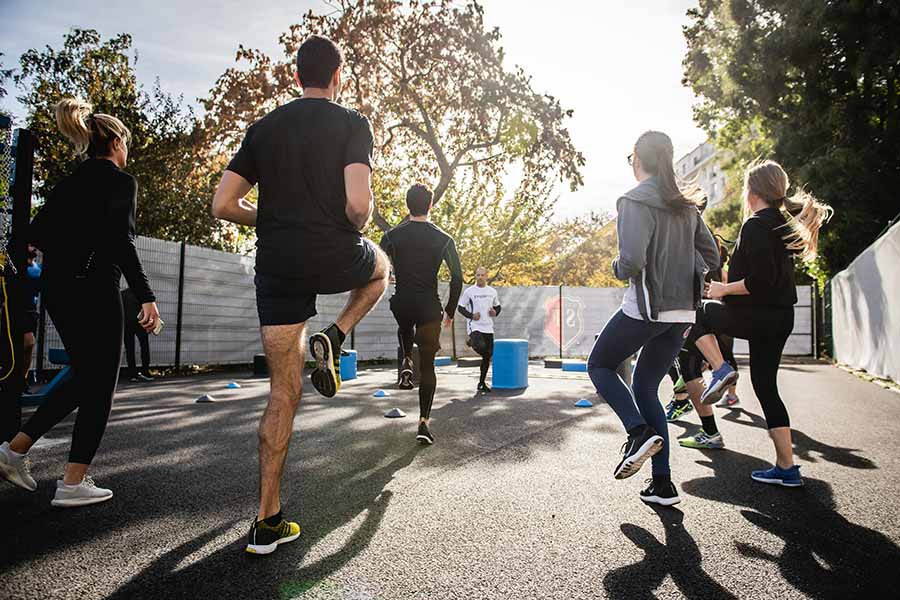
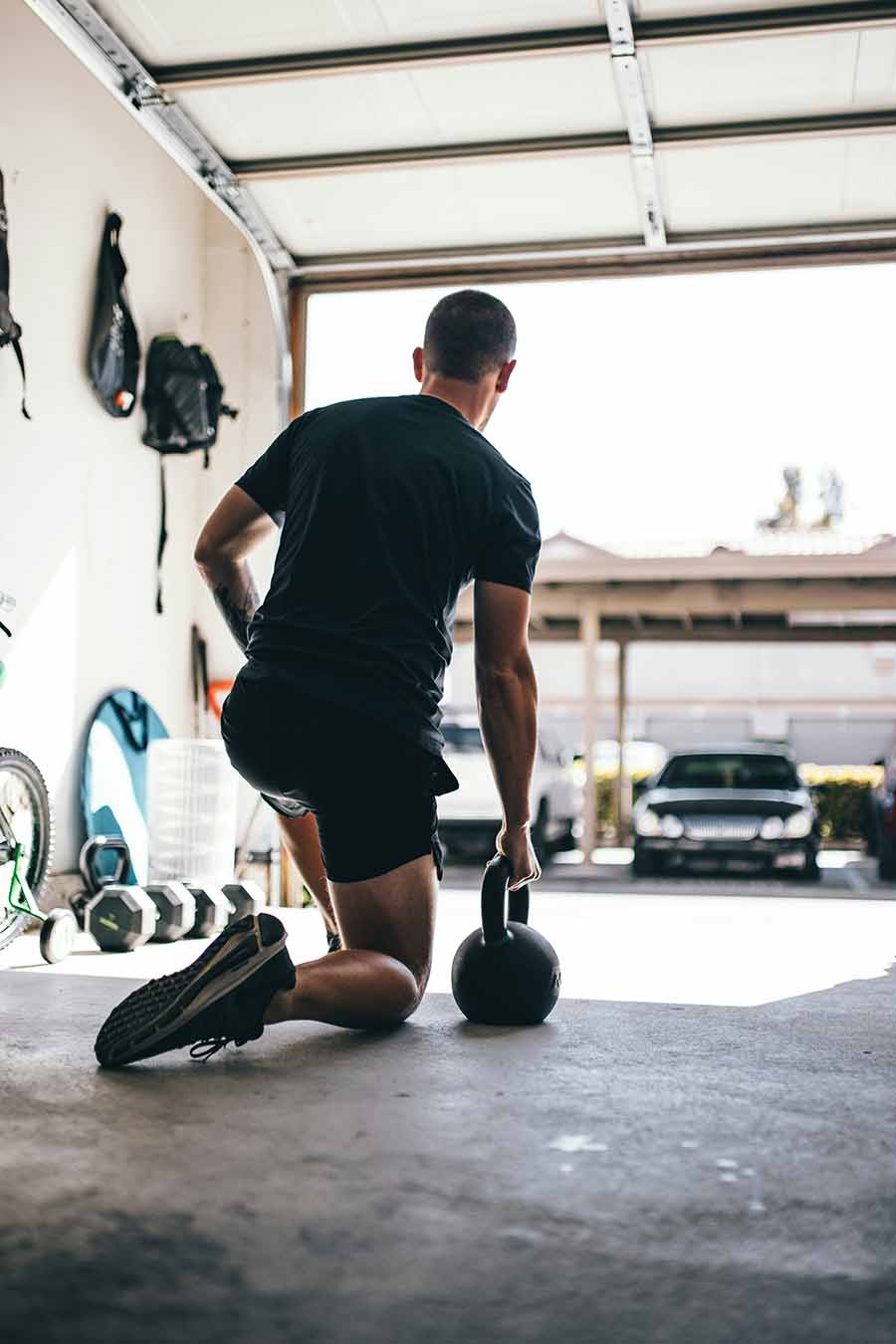
One of the most remarkable aspects of body-weight exercises is their accessibility. They require minimal to no equipment, making them suitable for individuals of all fitness levels and budgets. Whether you're at home, traveling, or in a park, you can engage in a full-body workout without the need for a gym membership or heavy machinery.

This level of convenience ensures that fitness remains a consistent part of your lifestyle, removing the common barriers that often hinder people from staying active.

2. Functional Strength Development

Body-weight exercises emphasize functional strength, which means you're not just building muscles for show, but also enhancing your ability to perform everyday activities with greater ease. Movements like push-ups, squats, and planks engage multiple muscle groups simultaneously, promoting balanced muscle development and improving your body's coordination. This functional strength carries over into real-life situations, from lifting grocery bags to climbing stairs, enhancing your overall quality of life.

3. Core Stabilisation

Many body-weight exercises inherently engage the core muscles, as they require stability and balance. A strong core is essential for maintaining proper posture, reducing the risk of back pain, and enhancing athletic performance. Exercises like planks, bridges, and leg raises target the core muscles deeply, helping you build a solid foundation that supports your overall fitness goals.

4. Versatility and Variety

With a plethora of body-weight exercises available, you'll never run out of options to keep your workouts engaging and challenging. From beginner to advanced variations, you can tailor your routine to your current fitness level and gradually progress as you get stronger. This versatility prevents workout monotony and encourages consistent participation, as you're less likely to get bored with a routine that offers such diverse movements.

5. Injury Prevention

When performed with proper form, body-weight exercises can significantly reduce the risk of injury. Since they involve natural, functional movements, there's a lower chance of overexerting specific muscle groups or joints. Moreover, body-weight exercises promote better flexibility and joint mobility, leading to improved overall joint health.

6. Adaptability to All Fitness Levels

Whether you're a fitness novice or a seasoned athlete, body-weight exercises can be adapted to your individual capabilities. They allow you to modify movements, adjust intensity, and control the range of motion to match your comfort level. This adaptability makes body-weight exercises suitable for people recovering from injuries, seniors looking to maintain mobility, and elite athletes seeking to enhance their performance.

7. Cardiovascular and Metabolic Benefits

While body-weight exercises are often associated with strength training, they can also provide cardiovascular and metabolic benefits. Incorporating high-intensity interval training (HIIT) into your body-weight routine can elevate your heart rate and improve your cardiovascular fitness. This combination of strength and cardio training contributes to a more well-rounded and effective workout.

In conclusion, the advantages of body-weight exercises extend beyond their simplicity. They offer a holistic approach to fitness by enhancing functional strength, promoting core stability, preventing injuries, and accommodating individuals of all fitness levels. Their versatility and convenience make them an excellent addition to any fitness regimen. So, whether you're a gym enthusiast or prefer working out in the comfort of your home, body-weight exercises deserve a prominent place in your routine for a healthier, stronger you.

10 Essential Volleyball-Specific Strength Exercises & Workouts for Peak Performance

Volleyball is a dynamic and physically demanding sport that requires a combination of power, agility, and endurance. To excel on the court, players need to develop specific strength and conditioning tailored to the demands of the game. In this blog, we will explore ten volleyball-specific strength exercises and workout routines designed to enhance your performance and take your game to the next level.

1. Squat Jumps:

Squat jumps are an explosive exercise that improves lower body power and vertical jump height. Start by performing squats and then explode upward into a jump. Land softly and repeat in a controlled manner. This exercise mimics the quick, explosive movements required for spiking and blocking.

2. Medicine Ball Throws:

Medicine ball throws are excellent for developing upper body strength and explosive power. Perform overhead throws, chest passes, and rotational throws to target different muscle groups used during serving, hitting, and blocking.

3. Bulgarian Split Squats:

Bulgarian split squats are a fantastic way to strengthen the legs and improve balance.

This exercise replicates the single-leg movements involved in lateral movements on the court, aiding in quick direction changes and defensive maneuvers.

4. Plyometric Push-Ups:

Plyometric push-ups enhance upper body power and speed. Perform explosive push-ups, pushing off the ground with enough force to lift your hands off momentarily. This exercise is ideal for increasing arm strength for setting and blocking.

5. Lateral Lunges:

Lateral lunges focus on strengthening the hip adductors and abductors, which are crucial for lateral movements and defensive slides. This exercise enhances agility and stability during side-to-side actions on the court.

6. Romanian Deadlifts:

Romanian deadlifts target the hamstrings, glutes, and lower back. Strengthening these muscles improves core stability and explosive power during movements like jumping and landing.

7. Resistance Band Exercises:

Incorporate resistance bands into your workouts for added resistance during movement patterns specific to volleyball. Band-resisted lateral shuffles, jumps, and lateral leg lifts enhance lateral quickness and leg strength.

8. Core Rotations:

Strong core muscles are essential for stability during hitting, serving, and blocking. Perform exercises like Russian twists and woodchoppers to enhance rotational strength and control, allowing for powerful and accurate movements on the court.

9. Box Jumps:

Box jumps are a staple for developing explosive leg power. Jump onto a box or platform, ensuring you land softly to protect your joints. This exercise improves vertical jump and agility, critical for spiking and blocking.

10. Agility Ladder Drills:

Agility ladder drills improve footwork, speed, and coordination. Incorporate various ladder patterns, such as lateral shuffles, high knees, and quick steps, to simulate the rapid foot movements required in volleyball.

Volleyball-Specific Strength Workout:

Warm-up:

  • 5-10 minutes of light cardio (jogging, jumping jacks)
  • Dynamic stretches (arm swings, leg swings, hip circles)

Workout:

  1. Squat Jumps - 3 sets of 10 reps
  2. Medicine Ball Chest Pass - 3 sets of 12 reps
  3. Bulgarian Split Squats - 3 sets of 8 reps per leg
  4. Plyometric Push-Ups - 3 sets of 10 reps
  5. Lateral Lunges - 3 sets of 12 reps per leg
  6. Romanian Deadlifts - 3 sets of 10 reps
  7. Resistance Band Lateral Shuffles - 2 sets of 20 steps each way
  8. Russian Twists - 3 sets of 15 reps per side
  9. Box Jumps - 3 sets of 8 reps
  10. Agility Ladder Drills - 5-10 minutes of various patterns

Cool-down:

  • Static stretches for major muscle groups (hamstrings, quads, calves, shoulders)
  • Deep breathing and relaxation

To excel in volleyball, a well-rounded strength and conditioning regimen is crucial. By incorporating these ten volleyball-specific strength exercises and workouts into your training routine, you'll develop the explosiveness, agility, and power needed to dominate the court. Remember that consistency and proper form are key to preventing injuries and achieving optimal results. Always consult a fitness professional or coach before starting a new exercise regimen, and listen to your body to ensure safe and effective progress.

TOP